
Medication Comparison
NAIL FUNGUS: TREATMENT METHODS
The Common and Available Treatment Options To Cure Nail Fungus

1. Surgical removal: a specialist can surgically remove the nail and the fungus below. This is expensive, painful and invasive, but highly effective.
2. Oral medication: prescription pills are available which can address nail fungus. These medications are not 100% effective and involve some risk of liver damage.
3. Topical treatment: There are a number of topical creams that claim to treat toenail fungus. Only a small number of formulations have been found to be effective, but if the correct product is chosen this is by far the safest and least invasive form of toenail fungus treatment.
Surgical

Surgical Removal
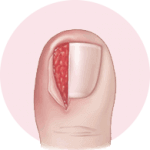
Oral Medication
Topical Treatment
Treatment Comparison Chart
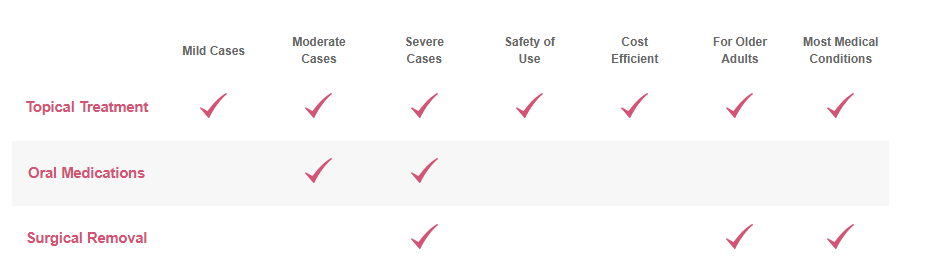
With all the comprehensive information mentioned above, you can compare medications and determine which is best for your condition. As shown in the chart above, topical treatment is the one that is cost-efficient and safest for most ages and medical conditions. Topical treatment works for most of the cases (Elewski et al., 2002). The question is, how do you find the most effective topical solution?
People waste years trying home remedies and ineffective topical solutions to battle nail fungus – only to have the fungal infection remain unchanged or worsen. Use the information below to find a treatment that will work and avoid wasting your time and money.
Surgical Removal
Surgical removal means the surgical excision of all or part of a toenail when it is diseased, painful, or infected. It is an extremely minor surgical procedure and can be completed very efficiently in a normal doctor’s office or a clinic.
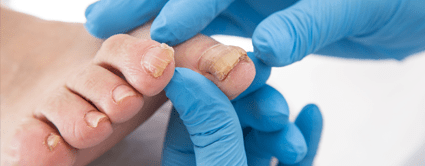

Most frequently, toenail removal is a treatment for advanced cases of toenail fungus. Fungus is a surprisingly common problem; over half of the nail infections treated by doctors are caused by fungi. It is also very commonly used to treat ingrown toenails. This way, the nail has a chance to regrow in the proper way and other less radical treatments can work more effectively on the nail bed or “ram’s horn” nails. Many times, a doctor may choose to excise a portion of the toenail to examine the nail bed, nail folds, or matrix more minutely, apply other treatments, or determine whether a biopsy is necessary in cases of potential cancers or fungal infections.
Surgical Removal of a Nail
If a nail infection is severe, causes pain, and does not respond to other forms of treatment, surgery may be needed. All or part of the nail may be removed. Here is how a nail is surgically removed: An anesthetic is injected into the affected finger or toe. The affected nail or area is surgically removed. A medication may be applied to the underlying tissues which destroys some of the tissues. This prevents the nail from re-growing. It is done in order to prevent future infection. An antibiotic is applied and the area is bandaged.
Ongoing treatment with oral and topical antifungal agents is needed postoperatively. Risks associated with surgical removal of a nail include pain, infection, and disfiguration of the nail if it grows back. (Health wise staff, reviewers: Burgess, P. and Thompson, E.G., 2014) If the surgery is performed on multiple toenails, crutches may be needed. The cost for surgical removal of a nail varies. The surgeon’s fee may be upwards of two hundred dollars. Anesthesia and the other medications may cost a thousand or more dollars. Depending upon where the procedure is performed, there may be a facility fee. Insurance may cover many of the costs of the procedure. (Ortiz).
Laser Treatment of Fungal Infections
Several small studies have been conducted to determine if the use of lasers may benefit individuals who have fungal infections of the nails. According to expert Ivan R. Bristow, more research is needed. He found that the studies were small in size. Among people who received laser treatments, no substantial benefits were obtained and reinfection appeared common. (Bristow, 2014)
The use of lasers is reserved for people who have severe fungal infections. Usually one treatment is sufficient. Costs range from two hundred to five hundred dollars for each affected nail. Depending upon the number of affected areas, severity of infection, costs of additional therapies and supplies, laser treatment may cost several thousand dollars. If more than one session is needed, the follow up treatments are generally one third of initial cost. Laser treatment of nail infections is considered to be cosmetic surgery so it is unlikely to be covered by health insurance. (Laser Treatment for Toenail Fungus, 2015).
Pros
Treatment for advanced toenail fungus cases
Treats the fungus directly
Immediate results
Cons
Doctors may recommend to have nail completely removed
May cause reinfections and/or abnormal nail growth
Still needs supplemental agents for post-operation
Most costly among all treatments
Invasive and painful procedure
Oral Medication
Nail fungus infections could last a lifetime if they are just left alone. They can be just an unsightly presence in a person’s daily life, but they can also bring pain and a lot of harm if the infection worsens and spreads.
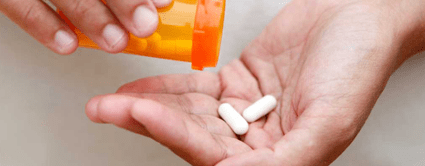

People who suffer from finger and toenail fungus have different treatment options, the most popular of which is perhaps oral medicine. Oral treatments are medications taken by mouth. As such, the medicines work from the inside of the body to heal the outside, supposedly killing the nail fungus infection. These are usually considered when the nail fungus infection is from moderate to severe because they have systemic effect and are able to reach different parts of the body.
Oral anti-fungal treatments are said to have high effectiveness rate. However, they also have high risks. They may also come with side effects, and therefore they are not recommended for some nail fungus sufferers.
Prescription Medications
Topical and internal prescription drugs may be used to relieve fungal infections. Whether you choose to use an over-the-counter or prescription remedy, be aware that it takes many months of treatment for a full resolution of the infection to occur, regardless which type of medication is used. If you opt to use prescription medications, be aware that they may take as long as one year to become fully effective.
Oral medicines have high success rate of treating finger and toenail fungus infections. However, this effectiveness comes at a steep price: side effects. Physicians only prescribe oral anti-fungal medicines to patients if they believe the benefits outweigh the side effects. Unfortunately, there are people who are not fit to take these drugs because of their medical conditions, age, or even because of the other medicines they take. Success rate for adults over 65 years old also appears to diminish.
Fortunately, for people who do not want to take the risks associated with taking oral medicines, there are other treatment options. Topical remedies are as popular as oral drugs, though some of them are said to be not as effective. However, it’s a different matter for topical antifungal ointments that have the right ingredients. Topical medicines with 10% undecylenic acid combined with a penetrating agent may just be the solution and best alternative for oral anti-fungal medicines.
Pros
Reported to have high effectiveness rate for treating infections
Has systemic effect and able to reach different parts of body
Treatment for moderate to severe cases
Cons
Needs to highly consider medical conditions, age, etc.
Success rate for 65 years old and above diminishes
Comes with side effects and triggers for allergies
Takes several months or years to see result
Risk of liver damage if taken too much
Topical Treatment Options
Of all the items in the list of toenail fungus medications, this one is by far the safest and most effective. Topical nail solutions fight toenail fungus by penetrating the nail bed, getting straight to the source of the infection.
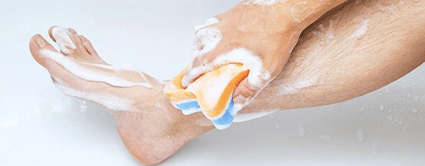
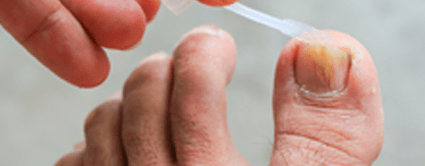
It’s very easy to use, coming in easy-to-carry bottles that include a brush applicator for easy and precise application. It has reported to have zero side effects, and makes use of undecylenic acid (an FDA-approved antifungal), in combination with all-natural ingredients with powerful antifungal properties (such as tea tree oil and sunflower seed oil). Topical nail solutions naturally restore clearer, stronger, healthier nails in no time.
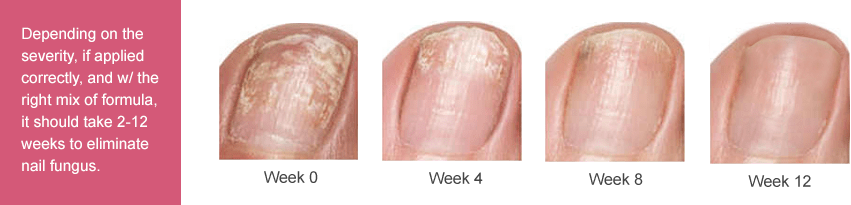
As these therapies usually contain natural ingredients, they are safe to use with minimal contraindications, so you can use two or more remedies together. These topical remedies penetrate deeper into the layers of the nail when the nail is clean, trimmed and thinned. However, each case is different depending on the treatment’s ability to penetrate into nail bed and the speed in which your body re-grows nails. If applied correctly, with the right mix of formula, it should take 2-6 weeks to eliminate the nail fungus:
Mild Case: 2 to 6 week treatment | small, white streak or discoloration of nail and unusually rough surface
Moderate Case: 4 to 12 week treatment | dull to dark yellow color, brittle, thick and has foul odor
Severe Case: 12 weeks to 20 week+ treatment | nails deformed or destroyed, and severe tissue infection
Over The Counter
Topical remedies which contain undecylenic acid and tea tree oil effectively treat nail infections. They are the most effective when combined into one topical product. The United States Food and Drug Administration, FDA, has approved the use of undecylenic acid as an effective agent for the treatment for fungal infections. It is a safe plant based remedy which is derived from castor oil. Tea tree oil has been the subject of extensive research studies which confirm its healing properties. The oil helps undecylenic acid penetrate deeply into tissues. Modern research proves that tea tree oil has antiseptic, anti-inflammatory, and antifungal properties. The oil relieves itchiness and promotes comfort.
Not all nail fungus treatments are the same. Some products contain zero active ingredients, while others contain high concentrations of skin-damaging acids. People waste their time and energy looking for home remedies and topical solutions to battle nail fungus – only to find out the fungal infection remain unchanged or worsen.
Home Remedies
Herbal and homeopathic remedies have not been proven to be effective treatments for nail infections. More research is needed to evaluate their effectiveness. Home remedies have not been proven effective by the use of scientific analysis because limited research has been conducted about them. In general, if studies have been performed, they have been of poor quality and conducted on a very small number of individuals.
Some people have tried home remedies, such as bleach, peroxide, or vinegar to address their nail infections. These remedies are usually ineffective. In addition, they may weaken and irritate affected and tender tissues. They are time consuming and may delay the implementation of treatment with more effective remedies.
Pros
Applicable for most ages and medical conditions
High effectiveness rate if using the right formula
Effectively treats mild to moderate cases
Safest procedure among all treatments
Relatively inexpensive
US FDA approval
Cons
Some top brands are reported to have little or no effect
Most treatments have skin-damaging acids
May take several months to see results
TOP 3 TOPICAL NAIL FUNGUS TREATMENTS (2025):
Below are the top rated over-the-counter topical nail fungus treatments on market – each has been thoroughly evaluated by our editors, health professionals, and fellow nail fungus sufferers. All of the following treatments are topical solutions to nail fungus. The chart at the bottom of this page explains the advantages of topical medication over oral and surgical options.
EmoniNail™
Our Leading Benefactor's Best Selling Product
Funginix
Zetaclear
1. Treatment Rating
99.5 / 100
89.7 / 100
86.5 / 100
2. Customer Rating


3. Editor Review

5. Patients Treated (est.)
20,000+
20,000+
20,000+
6. Success Rate*
89.4%
83.2%
76.1%
7. Treatment Time
Shortest (1-2 Months)
Average (2-4 Months)
Average (2-4 Months)
8. Product Safety
Safe to Use
Safe to Use
Safe to Use
9. Return Policy
Risk Free
Restock Fee
Restock Fee
10. Customer Support

If your nails are infected with nail fungus there are two actions you must now take: (1) Find a method of treatment and (2) understand how to use that treatment. Our Treatment Guide provides step-by-step instructions for achieving maximum effectiveness with topical treatments.
Review of Our Top Pick Topical (OTC) Nail Fungus Treatment
Our Leading Benefactor's Best Selling Product
EmoniNail is our top recommended product for the topical treatment of fingernail and toenail fungus. The superior blend of tested ingredients make EmoniNail an effective* formula to dramatically improve the vitality and appearance of the nail bed and surrounding skin.
The formulation combines a powerful anti-fungal active ingredient with nail penetrating essential oils which can result* in superior effectiveness in the treatment of nail fungus. This ranking is supported by our customer reviews and an overall success rate higher than any other product on the market.
Our experts agree that the EmoniNail treatment formulation is the ideal combination.
Users consistently observe a reduction of redness, pain, and irritation within weeks*. Within months the average users sees complete removal of visible nail fungus. The vast majority (95%+) of users experience regrowth of clear, revitalized, fungus-free nails *. We recommend EmoniNail in conjunction with diligent adherence to our treatment guide for maximum effectiveness.
Active Ingredient: Undecylenic Acid, 10%
Means of Nail Penetration: Tea Tree Oil

*Based on aggregated user reviews. Not a scientific study of product efficacy. Individual results may vary.
Top 5 Topical (OTC) Nail Fungus Products (2025)
1. EmoniNail
Treatment Rating: 99.5 / 100
Patients Treated (est.): 20,000+
Success Rate: 89.2%
Rank Change: +1
MSRP: $59.95 - Visit Offical Site
2. Funginix (Fungisil)
Treatment Rating: 89.7 / 100
Patients Treated (est.): 20,000+
Success Rate: 83.2%
Rank Change: -1
MSRP: $59.95
3. Zetaclear
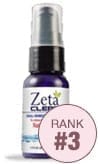
Treatment Rating: 86.5 / 100
Patients Treated (est.): 20,000+
Success Rate: 76.1%
Rank Change: +1
MSRP: $49.95
4. Dermisil
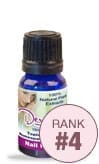
Treatment Rating: 89.7 / 100
Patients Treated (est.): 10,000 - 20,000
Success Rate: 83.2%
Rank Change: -1
MSRP: $59.95
5. Nail Rx
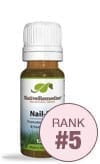
Treatment Rating: 78.4 / 100
Patients Treated (est.): 10,000 - 20,000
Success Rate: 68%
Rank Change: 0
MSRP: $39.95
*Based on aggregated reviews. Not a scientific study of success rate
Topical Prescription Drugs which are Used to
Fight Fungal Infections of the Nails
Topical prescription remedies may be used alone or with oral agents. One benefit of using topical remedies is that the medication may be applied directly to infected areas. The risk of systemic complications due to side-effects is reduced. Theoretically, more medicine should get directly reach which needs treatment.
A down-side of using topical preparations is that more time may be needed for administration when compared with the amount of time required to take oral drugs. Unless topical remedies are well formulated, many of the healing properties may not be available, as absorption into the nails and surrounding tissues may be poor. Topical remedies are more likely to cause localized irritation than oral remedies do. It may be more difficult to use a topical remedy on your toenails if you have mobility issues. The cost of prescription treatments may be prohibitive.
The following charts compare the benefits and shortcomings of currently available FDA approved oral medications which are used to treat fungal infections of the nails.
Generic Name
Brand Names
Average Monthly Cost
How Used
Benefits
Precautions and Potential Side Effects
Tavaborole
Kerydin
$1265.00 for a 10mL Bottle
Applied directly to the toenails daily for 48 weeks.
Serious negative reactions are rare.
Seek medical assistance if you experience: swelling of the face or throat, difficulty breathing, or hives.
Irritation, redness, itching, swelling, or peeling of the tissues surrounding the treated nail may occur. Ingrown toenails may develop.
Promptly wipe the medication off of your skin if it gets on it. Do not apply medication to any tissues except affected nails.
The medication is flammable.
Efinaconazole
Jublia
$468.00 for 4 mL
Apply to the infected nail and surrounding skin daily for 48 weeks.
Serious negative reactions to the medication are rare.
Seek medical assistance if you experience: swelling of the face or throat, difficulty breathing, hives, irritation or pain at the application site, blisters, or if you develop an ingrown toenail.
It is unknown if this medication passes into breast milk. Avoid use during pregnancy or while breastfeeding.
The medication is flammable.
Ciclopirox
Penlac
$930.00 for Penlac brand 6.6 mL
$30.00 for generic, 6.6mL
Apply this nail lacquer directly to the nails every day. Do not wash the area for at least 8 hours. Use alcohol to remove the medication from your nails.The medication may need to be used for 48 weeks to be fully effective.
Serious negative reactions to the medication are rare.Reduces the rate of reinfection by 70%
Seek medical assistance if you experience: swelling of the face or throat, difficulty breathing, hives, irritation or pain at the application site, blisters, or if you develop an ingrown toenail.
It is unknown if this medication passes into breast milk. Avoid use while breastfeeding.
The medication is flammable.
Cure rate to get rid of infection is only 7%.
Notify your doctor of all medications which you take. Be sure that he or she knows your complete health history. This is especially important if you have been diagnosed with a seizure disorder, diabetes or an immune problem.
Oral Prescription Medications which are Used to Treat Fungal Infections of the Nails
If you choose to take an oral medication to treat your nail fungus, there are several products for your health care provider and you to choose from. The success rates of oral medications which are used to treat nail infections is approximately fifty percent. Even if the infection is deemed “cured”, it usually recurs in between two and five out of ten people. (Del Rosso, 2014) Oral medications are generally easier to use than topical remedies. However they are more likely to cause detrimental side-effects than topical agents.
Almost all of the oral agents possess potential side effects which can only be described as dangerous and potentially life threatening. If you choose to use an oral agent, be sure that you and your doctor discuss your health history and current medications in detail. It is essential that you weigh the risks of treatment carefully with the potential benefits. While nail fungus is not life threatening, nor does it cause serious illness, the drugs which are used to treat the condition may cause serious illnesses or in rare cases, deafness or death. If you have underlying health issues, are pregnant, want to become pregnant or are breastfeeding it is critically important that you learn everything you can about the treatment before starting an oral medication as the drugs may cause harm to your baby.
Below is a detailed comparison of FDA -approved oral medications used to treat fungal nail infections, presented in a list format highlighting each drug’s usage, cost, benefits, and potential risks.

Generic Name: Griseofulvin
Brand Names: Fulvicin, Gifulvin, Gris-Peg
Average Monthly Cost: Brand name $240.00/ 30 500mg tablet. Generic $180.00/ 30 500mg tablets
How Used: Take the medication by mouth on a daily basis. It must be taken for up to one year to resolve infections of the nails.
Benefits: Treats discoloration of nails.
Precautions and Potential Side Effects:
This medication is not recommended for individuals with liver disease, lupus, or porphyria, and is ineffective for fungal nail infections.
Serious side effects requiring medical attention include: facial/throat swelling, breathing difficulties, hives, numbness, mood changes, confusion, rash, hearing issues, joint/muscle pain, and a butterfly-shaped facial rash. Notify your doctor if you experience yellowing of the skin/eyes, abdominal pain, persistent nausea or vomiting, urination changes, fever, or sore throat.
Long-term use may lead to yeast infections.
Avoid use during pregnancy, nursing, or if pregnancy is possible, due to potential harm to the baby. Males should avoid causing pregnancy, and it's unclear if sperm is affected after stopping treatment.
Avoid alcohol and limit sun exposure.
Regular blood, liver, and kidney tests are required during treatment.

Generic Name: Terbinafine
Brand Names: Lamisil
Average Monthly Cost: Lamisil brand (30) 250 mg tablets $700.00. Generic (30) 250 mg tablets $6.00
How Used: Dosing regimen varies
Benefits: Few side effects. 35-50% cure rate for fungal infections of the nails.Inexpensive if generic drug is used.
Precautions and Potential Side Effects:
May cause gastrointestinal issues and is not advised for individuals with liver disease.
Liver side effects (enzyme abnormalities, hepatitis) and drug interactions are less frequent than with itraconazole.
Possible side effect: altered taste.
Avoid alcohol and limit sun exposure.
Not recommended during pregnancy or breastfeeding.
Seek medical help if symptoms like fever, swollen glands, blood in urine, chest pain, irregular heartbeat, or jaundice occur.

Generic Name: Itraconazole
Brand Names: Sporanox
Average Monthly Cost: Brand name: (60) 100 mg capsules $1380.00. Generic (60) 100 mg capsules $380.00
How Used: Dosing schedules may vary. Usually taken twice daily. Sometimes used for pulse, intermittent, dosing. Take the medication on a full stomach. Do not take at the same time as antacids.Take with a cola beverage if you use medications which reduce stomach acid or if you suffer from achlorhydria.
Benefits: 25-40% cure rate for fungal infections of the nails.
Precautions and Potential Side Effects:
Low success rate, especially for toenail infections; not FDA-approved for toenails.
Serious drug interactions possible, especially with antibiotics and asthma meds—can cause life-threatening heart issues.
Do not use if you have heart disease, kidney disease, or COPD.
May cause liver damage; monitor liver function during use.
Seek help if you experience symptoms like swelling, shortness of breath, weight gain, or fatigue.
Possible side effects include dizziness, hearing loss, and ringing in the ears (especially in older adults).
Not safe during pregnancy, breastfeeding, or for at least 2 months after use ends.
Notify your doctor if you experience fever, hair loss, depression, or hormonal changes.

Generic Name: Fluconazole
Brand Names: Diflucan
Average Monthly Cost: (30) 150 mg generic tablets $8.00. Due to variable dosing regimens, cost may be more.
How Used: Dosing schedules are variable.
Benefits: Inexpensive
Precautions and Potential Side Effects:
Less effective than other antifungals for nail infections.
May interact with drugs for seizures, diabetes, blood thinners, and antibiotics.
Seek emergency care if you experience swelling, breathing issues, or hives.
Can cause dizziness, headache, digestive upset, rash, and taste changes.
Use caution if liver or kidney issues are present; may lower white blood cells and platelets.
Higher risk of adverse effects if you have HIV.
Notify your doctor if a rash develops.
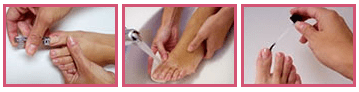
Complete Guide to Removing Nail Fungus
Compare Top Products

Contact Us
General: info@nationalnailfungus.org
Media: press@nationalnailfungus.org
Our Mission
The Global Nail Fungus Organization was founded with one goal: Fight Nail Fungus. We work towards this goal by providing resources, education, and solutions to the 35 million people currently suffering from finger and toenail fungus in America and the millions more around the world.
Disclaimer: This website and its contents are owned, operated, and sponsored by GG Healthworks Inc, the manufacturer and distributor of EmoniNail. GG Healthworks Inc has no affiliation with and is not sponsored by, owned by or in any way endorsed by any of the other brands, companies, or trademark owners featured on this site. The content on this site, including comparisons, charts, tables, articles, and other content are made for illustration and entertainment purposes only, and shall not be relied upon for accuracy or for any other purpose. While we take measures to ensure the accuracy of the information provided herein, such measures may not be sufficient so we encourage our site’s visitors to conduct their own research and to not exclusively rely on the information contained herein. View full disclaimer.

Disclaimer: Individual results may vary. The text on this website is for informational purposes only and should not be used in substitute for the advice of a physician or other medical professional. All statements, opinions, and information on this website have not been evaluated by the Food and Drug Administration. All trademarks or registered trademarks are the property of their respective owners. View full disclaimer.
Leave your email and we will contact you in 24 hours